A Centre of Excellence for a host region.

For municipalities, provincial partners, regional development agencies and economic funders considering an innovation and commercialization centre in their community.

The problem in the region

Good products get developed here and made somewhere else.

Rural and coastal Canada has research talent, raw inputs and founders with real products. What it lacks is mid capacity production: the step between a prototype and a full commercial factory. Without it, a founder ships the work to a contract manufacturer in another province or country, and the jobs, margin and know how leave with it.

A MEL Centre of Excellence closes that step locally. Research, development, testing, mid capacity production and commercialization operate on one site, so a product can be proven and made in the region that created it.

What a host region gets

Capacity that stays in the community.

Local production capacity

Mid capacity manufacturing in a rural community, so a validated product can be made where it was developed instead of leaving the region.

Skilled local employment

Lab, production, quality, logistics, technical and operations roles based in the host community, with training pathways through local colleges.

Business growth

Regional SMEs and founders get access to equipment, testing, production runs and commercialization support they cannot fund alone.

Research to market

Institutional research reaches a working product, a buyer and a documented result rather than stopping at publication.

Supply chain retention

Inputs, packaging, services and logistics sourced regionally wherever the supply base can carry it.

A repeatable model

The operating model, governance and reporting are documented so a successful Centre can be established again in another region.

Newfoundland and Labrador

Cold ocean, marine and remote operations focus.

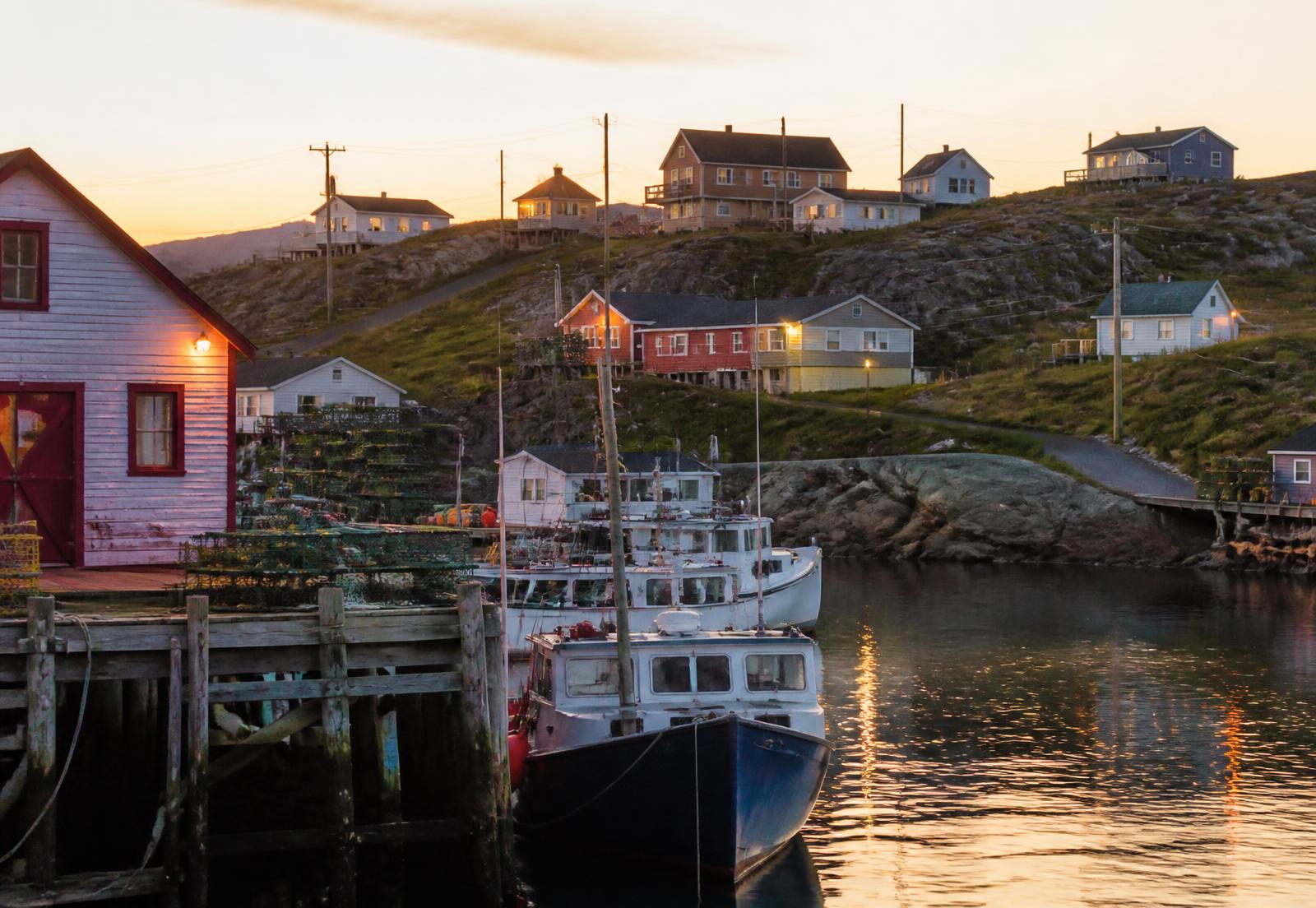
Newfoundland and Labrador is home ground for MEL. A Centre of Excellence on the province's coast is scoped around ocean and marine work, with the technology layer connecting observations, research records and production activity across sites.

  • Cold ocean and marine environment research
  • Aquaculture observation, welfare and production systems
  • Ocean sensing, subsea and surface technologies
  • Remote and harsh environment operations
  • Marine food and natural product development
  • Environmental and climate resilience research
  • Dual purpose ocean technologies
  • Commercialization of marine research into sellable products

How we fit a call for proposals

Built to be assessed, operated and reported on.

Innovation and commercialization in one place

Research, prototyping, testing, production and buyer engagement operate on a single site under one operating model.

Anchored in the host community

Each Centre is scoped to what the region can supply, staff and produce, and is developed with the municipality and local businesses.

Built for regional strengths

In Newfoundland and Labrador that means cold ocean conditions, marine environments, remote operations, natural resources and community led innovation.

Accountable reporting

RiSE records projects, milestones, utilization and outcomes, so a host region and its funders can see what the facility produced.