Infrastructure for a connected innovation ecosystem.
MEL is one enterprise. We design, build and operate the physical, digital, research, commercialization and operational systems that carry an idea to a market-ready solution close to home and connected nationally. MEL RiSE, MEL AiDE and MEL iDE form the brain and connector, and the regional Centres of Excellence are the physical locations where the work happens.
Physical Infrastructure
Regional environments for research, product and service development, testing, advanced manufacturing, controlled growing environments and commercialization.
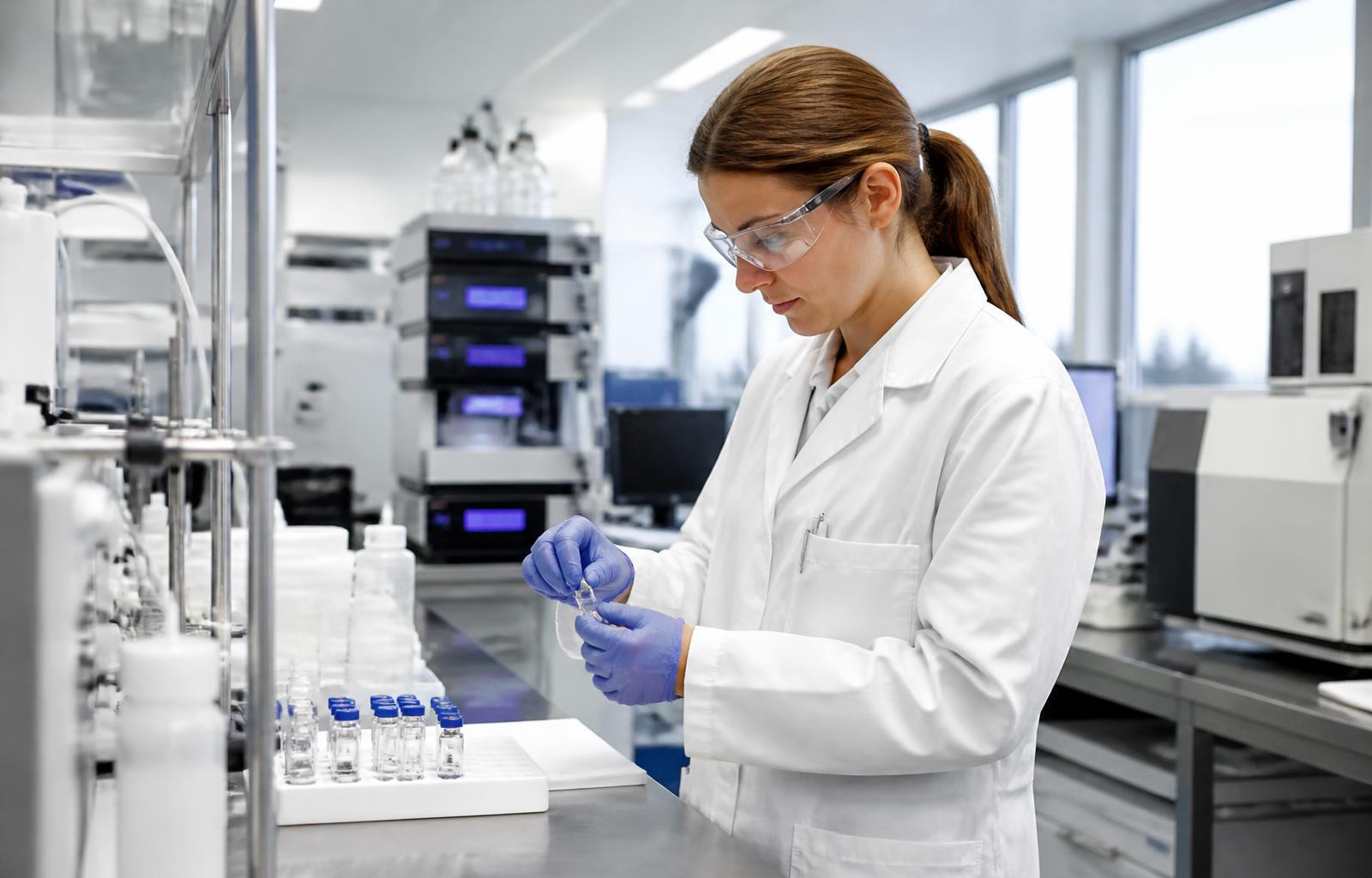
Labs, workshops, studios, production space and controlled-environment rooms designed so female innovators and research teams can move from study to prototype to production on one site. Facilities can include growing rooms, aeroponic systems, climate-mimicry chambers and research environments that can be replicated in buildings, vessels, vehicles and remote locations. Facilities, equipment and capabilities are determined through consultation with SMEs, researchers, industry, municipalities and strategic partners.
Digital Infrastructure
RiSE, AiDE and iDE connecting authorized information, workflows, decisions, continuity and commercialization activity.
MEL is developing RiSE, AiDE and iDE as the brain and connector of the ecosystem. iDE organizes authorized inputs and observations, AiDE supports pattern recognition and evidence-informed decisions, and RiSE carries continuity across people, projects, locations, operations and commercialization activity.
Research and Validation Infrastructure
Structured environments for research, observation, testing, evidence generation and real-world validation.
Protocols, instrumentation and research settings that produce credible evidence for industry, regulators, funders and public decision makers. Each Centre of Excellence connects researchers from universities and learning institutions so work starts with a clear question and ends with data that can be acted on.
Commercialization Infrastructure
Systems connecting validated innovations with manufacturing, regulatory planning, intellectual property, investment, procurement, distribution and buyers.
Support for production readiness, market strategy, pricing, intellectual-property planning, supply, distribution and buyer engagement. This is where validated research becomes a business, and where regional solutions reach national and international markets.
Operational Infrastructure
Governance, training, quality systems, reporting and repeatable operating processes supporting each regional Centre of Excellence.
Shared governance, staffing models, training, standards and reporting turn a single successful Centre of Excellence into a repeatable model that can be established in other regions.
Design principles
Principles shaping every Centre of Excellence.
Climate resilience
Buildings, systems and operations designed for changing climate conditions and demanding regional environments.
Adaptable infrastructure
Space, equipment and services that can be reconfigured as research, production and partner needs develop.
Supply-chain resilience
Canadian and regional supply relationships that keep development, production and delivery moving.
Accessibility
Environments, tools and information designed for participation by people with a wide range of needs.
Environmental responsibility
Energy, materials, water and waste decisions made with long-term regional stewardship in mind.