
Connecting ideas, infrastructure and opportunity.
The MEL Collective was created to give innovators a connected pathway from an identified need to a market-ready solution.
MEL brings together research, technology, product and service development, testing, advanced manufacturing, commercialization and deployment through one shared enterprise framework.
RiSE, AiDE and iDE connect the people, information, operations and infrastructure across MEL's regional Centres of Excellence, allowing each location to contribute to one distributed innovation and commercialization ecosystem.
The MEL Collective
A systems architecture and operational intelligence company.
The MEL Collective develops proprietary infrastructure for advanced manufacturing, digital operations and research-driven commercialization, delivered through regional Centres of Excellence and one shared technology framework.
MEL Simmonds developed this model through years of entrepreneurship, community leadership, research, creative work and direct experience supporting women, businesses and rural communities. She recognized the opportunity to connect regional knowledge and talent with the infrastructure required to build, validate and commercialize solutions.
MEL's first market-entry strategy supports female entrepreneurs, researchers and innovators developing products, services, technologies and systems for midlife women, including civilian women, female veterans and military women. This first market creates a foundation for wider regional, sectoral and international growth.
Founder Origin
Built from lived knowledge and regional leadership.
MEL Simmonds grew up in rural Newfoundland and Labrador, where resourcefulness, collaboration and resilience are part of everyday life.
Her work across entrepreneurship, community leadership, business development, music, film and advocacy revealed a powerful opportunity: connect people who understand real needs with the research, technology, infrastructure and commercialization capacity required to build effective solutions.
That insight became the foundation of The MEL Collective.
MEL's experience supporting entrepreneurs, women, veterans, businesses and communities continues to shape an ecosystem designed around connection, continuity and practical execution.
MEL Simmonds

The Wish Project
From a wish to a working system.
The Wish Project began with a letter to Santa and grew into a community effort that helped people pursue ideas, create opportunity and reconnect with purpose.
It demonstrated an idea that continues to guide MEL.
The MEL Collective carries that principle forward by giving ideas the technology, infrastructure, expertise and commercialization pathway required to become real products, services, technologies and systems.
"Hope, when it meets structure, becomes momentum."
The Wish Project | A foundational inspiration
The Opportunity
Regional knowledge can become national innovation.
Canada's rural and regional communities hold deep knowledge, skilled people, established industries and entrepreneurs who understand their markets.
MEL connects these strengths with research, technology, product and service development, advanced manufacturing, commercialization partners and buyers. This creates a continuous pathway through which regional ideas can be developed locally, validated effectively and introduced to national and international markets.
Female entrepreneurs
A place to connect lived market knowledge with researchers, infrastructure, manufacturing and commercialization expertise.
SMEs
Access to the systems and capacity required to develop products and services, improve productivity and reach new buyers.
Researchers
Structured environments where knowledge can be translated into practical, commercial and deployable outcomes.
Municipalities and regions
A framework for turning local assets, infrastructure and talent into economic activity, skilled employment and long-term innovation capacity.
The MEL Model
One enterprise connecting the complete pathway.
The MEL Collective is developing a distributed innovation, commercialization, validation and deployment ecosystem. Regional Centres of Excellence provide the physical environments where entrepreneurs, researchers, SMEs and industry partners can research, build, test, commercialize and deploy products, services, technologies and systems.
RiSE, AiDE and iDE connect these physical locations through shared information, operational intelligence, workflows and commercialization activity. Each Centre of Excellence is shaped by regional strengths, infrastructure, supply chains and SME needs, and every Centre operates through MEL's shared technology and enterprise framework, creating local relevance and national connectivity.
Research | Build | Test | Commercialize | Deploy
01
Research
Identify and understand the opportunity.
02
Build
Turn findings into a working solution.
03
Test
Generate evidence and refine.
04
Commercialize
Make it market-ready.
05
Deploy
Place it with the people who need it.
RiSE, AiDE and iDE
The technology connecting MEL.
RiSE, AiDE and iDE work together as the brain and connector of the MEL ecosystem.
They connect identified needs with entrepreneurs, researchers, information, infrastructure, development capacity, commercialization partners and buyers.
RiSE
RiSE connects people, locations, workflows, operations and commercialization activity across the MEL ecosystem. It provides continuity as products, services, technologies and systems move through research, development, testing, commercialization and deployment.
AiDE
AiDE supports pattern recognition, operational intelligence and evidence-informed decision-making across the ecosystem.
iDE
iDE organizes authorized inputs and observations that help MEL understand needs, inform development and connect the right resources to each opportunity.
Together, RiSE, AiDE and iDE allow MEL's regional Centres of Excellence to function as one connected enterprise.
RiSE, AiDE and iDE are in active development as MEL's proprietary enterprise technology.
Public and Regional Value
Creating public and regional value.
MEL's model advances priorities shared by municipalities, governments, research institutions and industry across Canada.
Through its connected technology, commercialization framework and regional Centres of Excellence, MEL creates capacity in the following areas.
Regional Innovation
Connecting businesses, researchers, institutions, industry and public partners through one regional commercialization ecosystem.
Research Commercialization
Creating a clear pathway through which knowledge and research can become validated products, services, technologies and systems.
Business Growth and Productivity
Helping SMEs access technology, expertise, development infrastructure, advanced manufacturing and new market opportunities.
Rural and Regional Economic Development
Building innovation and commercialization capacity around regional strengths, infrastructure, supply chains and talent.
Women's Entrepreneurship
Creating pathways through which female entrepreneurs and researchers can develop, validate and commercialize solutions.
Advanced Manufacturing
Connecting product development with scalable production, regional capability and commercialization.
Canadian Resilience
Supporting domestic capacity, adaptable infrastructure, strong supply chains and dual-purpose innovation.
MEL provides municipalities and public partners with a framework for transforming regional assets, knowledge and talent into innovation capacity, skilled employment, business growth and commercial outcomes.
Municipal and Institutional Partnerships
A development and operating partner for regional innovation.
MEL works with municipalities, governments, research institutions, property partners and industry to develop and operate regional Centres of Excellence.
MEL brings the enterprise model, RiSE, AiDE, iDE, operational systems, commercialization framework and partner network required to move a regional innovation asset from concept into active operation.
Each partnership connects regional priorities with a wider Canadian innovation and commercialization ecosystem.
Founders
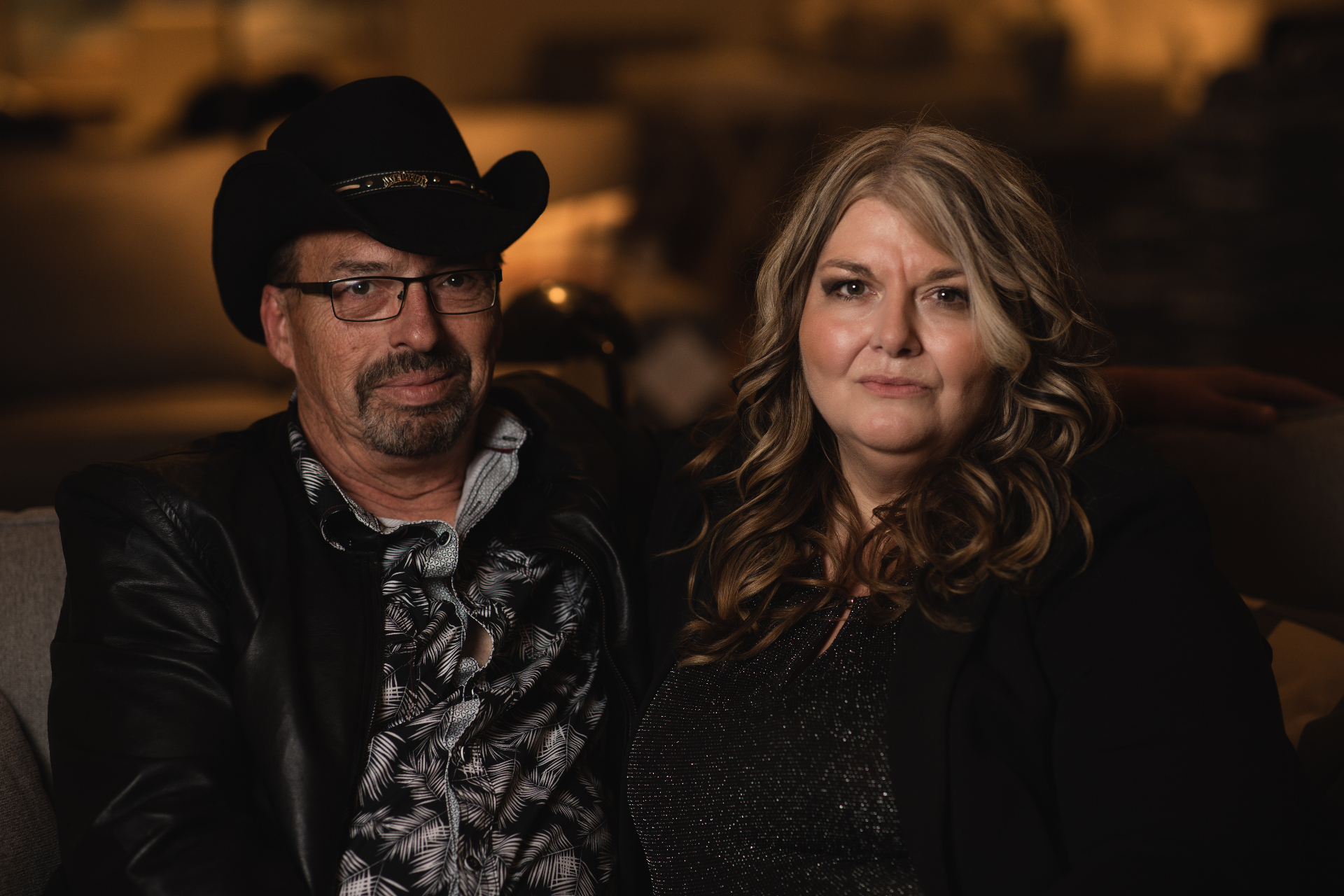
MEL Simmonds and Brad Simmonds.
Two founders from rural Newfoundland and Labrador, building an enterprise around connection, capability and practical execution.
Founder & CEO
MEL Simmonds
MEL Simmonds leads the enterprise, the technology strategy, HERos and MEL's female-led innovation strategy. She sets the systems vision behind RiSE, AiDE, iDE and the regional Centres of Excellence.
She is an entrepreneur, an Atlantic Canada Top 50 CEO and a recognized business leader who has built companies, products and brands, and served as Vice Chair of her Local Service District committee in rural Newfoundland and Labrador.
Her focus is innovation and commercialization: supporting female entrepreneurs and researchers, building cross-sector partnerships with industry, institutions and public partners, and connecting regional talent to national markets.
Growing up in rural Newfoundland and Labrador gives her direct knowledge of how regional economies work and what strong infrastructure makes possible.
Co-Founder
Brad Simmonds
Brad Simmonds contributes to the wider MEL Collective and co-faces PRos. He brings operational and supervisory experience from years as a supervisor with a major mining group.
He is an award-winning musician, a volunteer firefighter and a community builder, and he uses music and storytelling to bring people and partners together.
His relationships with veterans and first responders, and his ongoing community engagement, help shape MEL's creative, operational and PRos development.
Partners and Collaborators
An enterprise built through collaboration.
The ecosystem grows with a community of collaborators who bring research depth, industry capability and regional knowledge to the work.
Researchers
Advisors
Universities
Technology innovators
Industry experts
Manufacturing partners
Community leaders
Cultural partners
Voices of Support
Endorsements from across the ecosystem.
"The MEL Collective fills a critical void. They are moving the needle from reactive crisis management to proactive, sustainable wellness for those who have served."
Simon B. MacInnis, Ocdt. Retired | 4th Air Defence Regiment, Canadian Army
Looking Forward
Building connected innovation capacity across Canada.
MEL is creating a distributed ecosystem where regional knowledge, female-led innovation, research, technology, advanced manufacturing and commercialization move forward together.
Each regional Centre of Excellence expands the shared capacity of the MEL network.
Each product, service, technology and system developed through MEL contributes knowledge that can inform what the ecosystem builds next.
When the tide comes in, all dories shall RiSE.